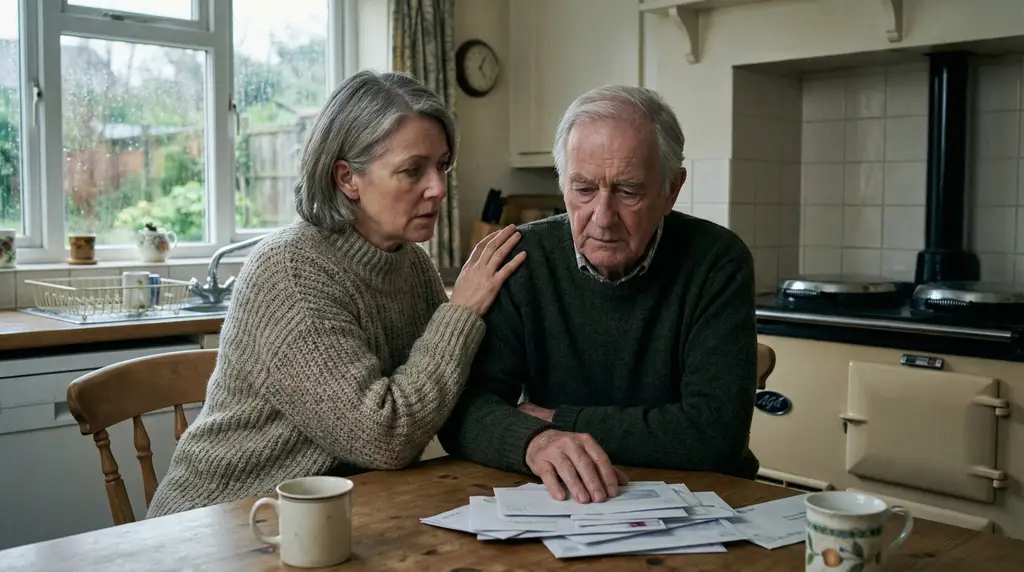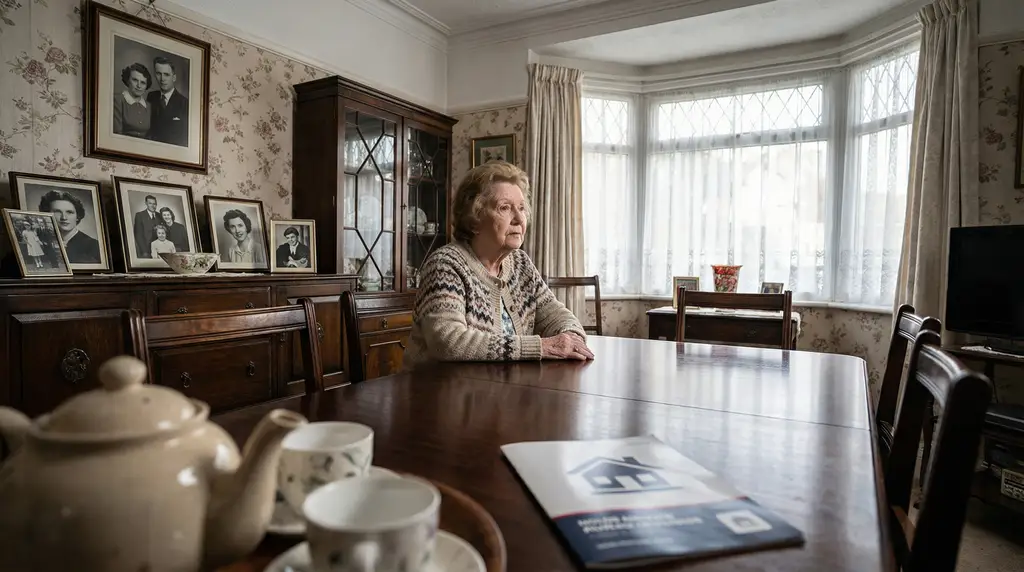
You lie awake at night wondering if mum is okay. You call and she says everything’s fine, but you’re not convinced. You visit and notice things that worry you, but you’re not sure if you’re overreacting. You feel guilty for not doing more, but you don’t know what more you could do.
If this sounds familiar, you’re not alone. Millions of adult children across the UK share these exact worries about elderly parents living alone. The concern is real, the options are confusing, and the conversations are hard.
This guide helps you think through the situation clearly, have productive conversations, and understand what support is actually available.
Key takeaways
- Worry about an elderly parent living alone is normal and shared by millions
- Assessing the situation objectively helps separate real risks from general anxiety
- Having conversations early, before a crisis, gives everyone more options
- The UK has a range of support options from technology to professional care
- Respecting your parent’s independence matters, even when you’re concerned
You’re not alone in worrying
First, know that your concern is both common and valid. According to Age UK, over 2 million people aged 75 and over live alone in the UK. Their adult children, like you, carry the weight of wondering if they’re okay.
The worry tends to spike after specific events: a fall, an illness, the death of the other parent, a noticeable decline during a visit. But it also builds gradually as you notice small changes accumulating over months or years.
Common worries include:
- What if they fall and can’t get help?
- Are they eating properly?
- Are they taking their medication correctly?
- Is the house safe and warm enough?
- Are they lonely and isolated?
- What if something happens and no one knows?
These fears are reasonable. They reflect your love for your parent and your awareness of the risks. The question isn’t whether to worry. It’s what to do with that worry.
Assessing the situation objectively
Anxiety can make everything feel urgent. Before making decisions, try to assess the situation as clearly as possible.
What’s actually happening?
Distinguish between things you’ve observed and things you fear might happen. Both matter, but they need different responses.
Observed problems (things you’ve seen):
- Falls that have happened
- Weight loss you’ve noticed
- Confusion in conversations
- Neglected housekeeping
- Expired food in the fridge
- Missed medications
Anticipated problems (things that could happen):
- A fall when no one’s there
- A health emergency alone at night
- Heating failure in winter
- Someone taking advantage of them
Our guide to signs your elderly parent needs support walks through specific warning signs in detail. If you’re unsure whether what you’re seeing is concerning, that article can help you assess.
How independent are they really?
Try to evaluate your parent’s actual capabilities rather than assuming the worst or the best.
Can they:
- Prepare meals safely?
- Wash and dress themselves?
- Manage their medication?
- Get around the house without difficulty?
- Handle bills and finances?
- Keep the house reasonably clean?
- Get out and about when they want to?
The answers tell you where support might be needed. Someone who struggles with cooking but manages everything else has different needs than someone who struggles with most daily tasks.
What’s their perspective?
Your parent’s view of their situation matters, even if you disagree with it. Do they acknowledge any difficulties? Do they feel they need help? Are they worried about anything themselves?
Understanding their perspective helps you have better conversations and find solutions they’ll accept.
Having the conversation
Many families avoid talking about care needs until a crisis forces the issue. This makes decisions harder, not easier. Having conversations early, when everyone is calm and there’s time to think, gives you all more options.
Why these conversations are hard
The difficulty is real. You’re navigating:
- Role reversal: telling your parent they might need help feels like treating them like a child
- Fear of conflict: they might get angry or defensive
- Your own emotions: grief at seeing them age, guilt about not doing more
- Uncertainty: you don’t know what’s best either
- Their pride: accepting help can feel like admitting defeat
These barriers don’t disappear, but they can be managed.
Approaches that help
Start with observations, not conclusions. Instead of “you can’t live alone anymore,” try “I noticed the post piling up. Is it getting harder to keep on top of things?”
Express your feelings, not accusations. “I worry about you when I can’t reach you by phone” is easier to hear than “you never answer the phone.”
Ask questions, then listen. What do they find difficult? What worries them? What would make life easier? Their answers might surprise you.
Focus on maintaining independence. Frame support as something that helps them stay in their home, not something that takes away their autonomy.
Take it slowly. One conversation rarely changes everything. Plant seeds, give them time to think, come back to topics over multiple visits.
Pick your moment. Not during a crisis, not when you’re rushed, not when they’re tired or unwell. Choose a calm moment when you can both think clearly.
The NHS guide on when someone may need care provides useful context for these discussions.
When they refuse to discuss it
Sometimes parents shut down any conversation about care. “I’m fine” becomes the only answer, regardless of evidence.
If this happens:
- Don’t force it. Pushing too hard can make them dig in further.
- Try a different angle. Maybe they’ll discuss home safety without discussing “care.”
- Involve someone else. A GP, a sibling, or a friend might get further than you can.
- Wait for a moment of openness. After a near-miss or health scare, they may be more receptive.
- Accept you can’t control everything. Adults have the right to make their own decisions, even ones you disagree with.
Respecting independence vs ensuring safety
This is the central tension. Your parent has spent decades making their own choices. They value their independence, their home, their routines. Losing these feels like losing themselves.
At the same time, you see risks they might not acknowledge. You want them safe. You can’t bear the thought of something happening that could have been prevented.
There’s no perfect answer. But some principles help:
Risk is part of life at every age. Zero risk isn’t possible or desirable. The goal is managing risk to acceptable levels, not eliminating it entirely.
Their values matter. If your mum would rather live in her own home with some risk than be “safe” in a care home, that preference deserves respect.
Support should be proportionate. Match the level of intervention to the level of need. Don’t impose residential care when some help at home would suffice.
Dignity isn’t negotiable. Whatever support they accept should preserve their sense of self, their privacy, and their control over their life.
Situations change. What works now might not work in six months. Stay attentive and be ready to adjust.
Options available in the UK
The UK has a range of support options for elderly people living at home. Understanding what exists helps you make informed decisions.
Informal support
This is what families and neighbours provide: regular visits, help with shopping, checking in by phone. It costs nothing but requires people to be available and nearby.
Council services
Your local council can arrange a care needs assessment. This identifies what support your parent might need and what they might qualify for through social services. Assessments are free.
Depending on needs and finances, the council might provide or fund:
- Home care visits (help with washing, dressing, meals)
- Day centre places
- Adaptations to the home (grab rails, stairlifts)
- Telecare equipment (pendant alarms, basic sensors)
Independent Age offers free advice on navigating council services and what your parent might be entitled to.
Private care
Paid care services offer flexibility beyond what councils provide. Options include:
- Hourly care visits
- Live-in carers
- Companion services
- Private cleaners and gardeners
Costs vary widely. Private care can fill gaps that council services don’t cover or provide more than the basic minimum.
Technology
Smart home technology offers a middle ground between no support and intensive care. Sensors throughout the home monitor activity patterns and alert you if something seems wrong.
Unlike pendant alarms, which require your parent to press a button, smart monitoring works passively. You get peace of mind knowing you’d hear if something unusual happened, without needing to call constantly or visit daily.
Our guide to smart home elderly care explains how these systems work in practice.
Care homes
When living at home is no longer safe or practical, residential care provides 24-hour professional support. This is a last resort for most families, but it’s the right choice when needs exceed what home-based care can meet.
The Age UK guide for people worried about someone covers these options in more detail.
When technology can help
Technology works best in specific situations:
When the main problem is your anxiety, not their capability. If your parent manages fine but you lie awake worrying, technology can provide reassurance without changing their life.
When early warning would make a difference. Knowing that mum hasn’t got out of bed by 10am lets you check in before a problem becomes a crisis.
When they want to stay independent. Technology supports independence rather than taking it away. For parents who resist care, this can be more acceptable.
When distance makes visiting hard. If you live hours away, technology provides visibility you can’t get from occasional visits.
When needs are moderate. Severe cognitive decline or high physical care needs require human help that technology can’t provide. But for many situations, technology adds a valuable layer of safety.
For more on how technology fits alongside other care options, see our complete guide to smart home care for elderly parents and our guide to keeping elderly parents safe at home.
When more support is needed
Sometimes worry is a signal that significant change is necessary. Signs that your parent needs more than technology or occasional help include:
- Frequent falls or near-misses
- Unable to manage basic personal care
- Significant cognitive decline affecting safety
- Repeated emergency hospital admissions
- Dangerous behaviour (leaving gas on, wandering at night)
- Severe loneliness or depression
- Medical conditions requiring regular professional attention
These situations call for professional assessment and potentially intensive care options.
Taking the first step
If you’re worried about your mum or dad living alone, the worst thing you can do is nothing. Not because disaster is imminent, but because early action expands your options.
Steps you can take today:
-
Observe clearly. Next time you visit, pay attention to specifics. What are you actually seeing?
-
Start talking. Even a small conversation opens the door. You don’t have to solve everything at once.
-
Get information. Understanding what support exists helps you have informed conversations.
-
Consider your role. What can you realistically provide? What would you need help with?
-
Plan for the future. Even if nothing needs to change right now, knowing what you’d do if things got worse reduces anxiety.
Our free needs assessment helps you think through your situation systematically. It asks the right questions and helps you understand what options might suit your family.
Or if you’d prefer to talk through your concerns, contact us. We’ll listen to your situation, answer your questions, and help you understand what might help. No pressure, no sales pitch. Just an honest conversation about what options exist.
Whatever you decide, know that worrying about your parent means you care. That care is valuable. Turning it into action, even small action, is how you make a difference.