

Notices a fall
Radar in the corner of each main room.
- Tells standing, sitting and lying on the floor apart
- No camera and nothing to wear
- Works in the dark
Croft's radar sensor notices a fall with nothing to wear or press, and alerts the family, friends or neighbours you choose.


Mum laughs it off, but she’s slower on the stairs than she was.
If she fell while I’m at work, how long before anyone knew?
people aged 65 and over fall at least once a year, and 1 in 2 aged 80 and over
Croft looks out for the moment that matters most: a fall. Nothing to wear, nothing to press, and the people they trust are told.
of falls in a UK study of people over 90 happened when they were alone
Croft starts with one job: noticing a fall and telling the right people.
Radar in the corner of each main room.

Alerts go to their circle on the Croft app.

Everything is set up for their home before it ships.
Fall sensors and a hub come first. Step through the home to see what joins them later.
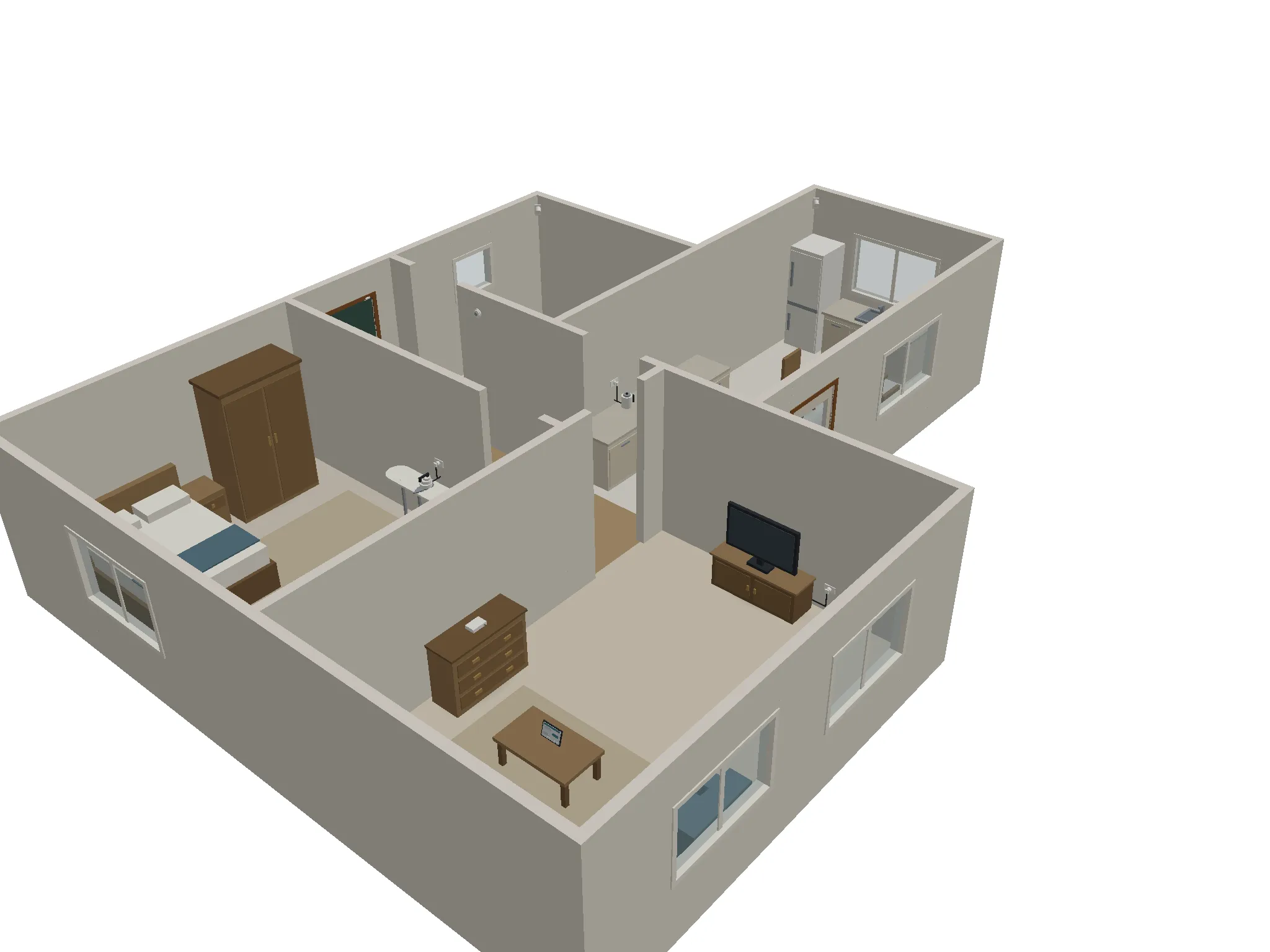
If they can't get up, their circle is told.
A small radar sensor sits in the corner of each main room: living room, bedroom, bathroom and kitchen. It tells standing, sitting and lying on the floor apart, with no camera and nothing to wear or press, and it works in the dark. If someone stays on the floor, the people in their circle are alerted, nearest first.
Connected, even when the broadband drops.
The hub sits beside the broadband router and has mobile data built in, so it keeps working if the broadband drops, or without broadband at all. Everything arrives paired and ready, so there is nothing to set up.
Calls with their circle, and no one else.
A tablet that turns on straight into Croft, for text and video calls with the people in their circle. Only their circle can get through, so strangers and scam callers cannot.
More from the same sensor.
The fall sensor's radar can also measure heart and breathing rate. We plan to add these as wellbeing signals, not medical readings.
Smoke and carbon monoxide alerts to their circle.
A connected smoke and carbon monoxide alarm that sounds in the home and alerts the people in their circle, even if no one hears it.
A door opening at 3am, noticed.
A slim sensor on the front and back doors. If a door opens in the middle of the night, their circle can be told.
A sign the day has started.
A smart plug on the kettle learns roughly when the day usually starts. Croft looks at the pattern over days, so a single lie-in is never an alarm.
Switched off from your phone.
A smart plug between an appliance and the socket, so a heater or iron left on can be switched off remotely.
Fall sensors and a hub come first. Step through the home to see them, then what comes next.
Every future device joins the same hub, so the home can grow with them. Fall sensors and the hub are first.
Find the Right SetupYou
Answer a few questions about the rooms and who could help. You get an estimated price straight away.
Start the needs assessmentWe handle all of this
A member of the Croft team reads each assessment and gets in touch if anything needs a closer look.
We work out which rooms need a sensor, so every main room is covered.
Every sensor and the hub are set up for their home and tested before they ship.
You
Stick each sensor in a corner at chest height and plug in one USB cable. The hub goes beside the router. Then add the people in their circle on the Croft app.
Croft's fall sensors use radar, not cameras. They cannot capture images or sound. You decide who is in their circle.
Croft's fall sensors use radar, not cameras. They cannot capture images or sound.
Alerts only reach the people you add. No call centre and no strangers.
Croft sends what it needs to alert the circle and keep the system working, and nothing to advertisers.
No pendant to forget, charge or take off at night.
“When my gran fell and broke her leg, I saw how long help can take to arrive. I'm building Croft so no one is left on the floor waiting.”
Today, Emma leads Product and Business, drawing on her experience as a CQC registered manager. Mark leads Technical and Platform. Together they are building Croft to help older people stay safe and independent at home.

Product and Business

Technical & Platform
Tell us about the rooms in their home and who could help. You'll get an estimated price straight away. No account, no obligation, no sales calls.