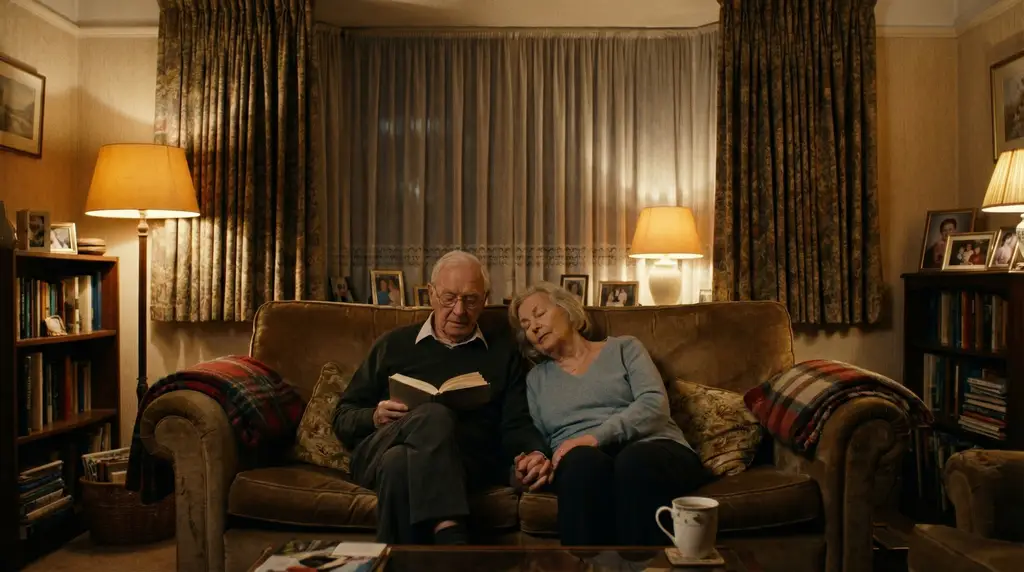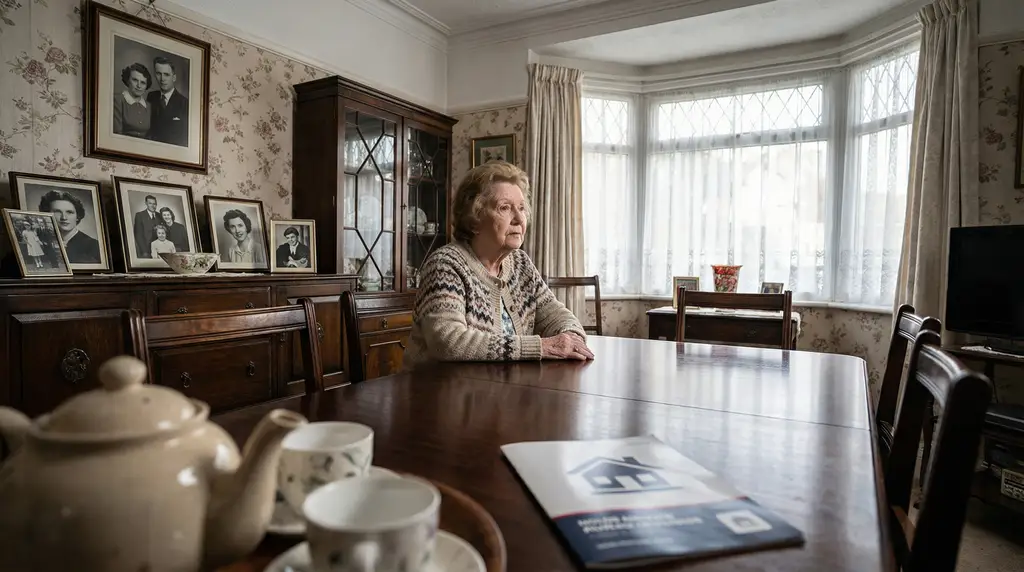
Your mum called twice yesterday. The second time, she’d forgotten the first. Your dad left the hob on again last week. You’re 150 miles away and the worry sits in your stomach like a stone.
You’re not alone. According to the Office for National Statistics, 4.3 million people aged 65 and over live alone in the UK. That’s up from 3.5 million just a decade ago. More than half of everyone living alone in Britain is now over 65.
This guide explains how smart home technology can help your elderly parent stay safe and independent at home. Not gadgets for gadget’s sake. Practical technology that gives you peace of mind and gives them their dignity.
Key Takeaways
- Smart home care uses sensors and alerts to monitor safety without cameras or intrusion
- Around 1.7 million people in the UK currently use telecare services
- Modern systems work passively; your parent doesn’t need to learn new technology
- You can receive alerts on your phone if something seems wrong, like unusual inactivity
- Smart home technology typically costs far less than residential care while keeping your parent in familiar surroundings
What is smart home care for elderly people?
Smart home care combines everyday technology with monitoring and alerts designed for older people. Think motion sensors that notice if your mum hasn’t moved around the house by 10am. Door sensors that tell you if your dad has gone out at 3am. Lights that turn on automatically so nobody fumbles in the dark.
It’s different from the smart speakers and coloured lightbulbs you might have at home. Consumer smart home tech assumes you want to control everything from your phone. Smart home care for elderly people assumes the opposite: the technology should work invisibly, without anyone needing to think about it.
Traditional telecare, like pendant alarms, requires your parent to press a button when something goes wrong. But what if they fall and can’t reach the button? What if they don’t want to “make a fuss”? Smart home care monitors patterns and can alert you or a response service even if your parent can’t or won’t press anything.
The NHS social care guide lists various equipment and adaptations that can help people stay at home. Smart home technology sits alongside grab rails and stairlifts as part of a toolkit for independent living.
For a detailed explanation of the different technologies available, read our guide to what smart home elderly care actually means.
How it differs from pendant alarms
Pendant alarms have helped millions of people. They’re simple and they work. But they have limitations.
Your parent must wear the pendant. Many don’t, especially men. They must be conscious and able to press the button. They must be willing to call for help, which many older people resist. And the pendant only helps after something has gone wrong.
Smart home systems work differently. Sensors throughout the home notice patterns. Did your mum get up this morning? Has she been in the kitchen? Is the front door still locked? These systems can spot problems developing, not just emergencies that have already happened.
The best approach often combines both. A pendant for genuine emergencies, plus smart monitoring for everything else.
What the technology includes
A typical smart home care setup might include:
- Motion sensors in key rooms to track activity patterns
- Door and window sensors to know when your parent comes and goes
- Smart plugs that can turn off appliances after a set time
- Automated lights that turn on when someone gets up at night
- Temperature sensors to ensure the house isn’t too cold or too hot
- A hub that connects everything and sends alerts to family members
Some families add video doorbells so their parent can see who’s at the door without getting up. Others add voice assistants for hands-free calls to family. The setup depends entirely on your parent’s needs and preferences.
How smart home technology supports independent living
The goal isn’t to monitor your parent like a security camera monitors a shop. It’s to extend the time they can safely live in their own home, in familiar surroundings, with their independence intact.
Age UK describes staying at home as most older people’s preference. Their own bed. Their own routines. The garden they’ve tended for forty years. Smart technology can help make that possible for longer.
The four benefits: safety, convenience, connection, peace of mind
Safety comes from sensors that notice unusual patterns. If your dad normally gets up at 7am and there’s been no movement by 9am, something might be wrong. If the front door opens at 2am, that’s unusual. If the bathroom light has been on for an hour, someone might have fallen. The system alerts you so you can check in.
Convenience means less struggle with everyday tasks. Lights that turn on automatically mean no fumbling for switches in the dark. Voice control means your parent can call you without finding their phone. Smart heating means the house stays warm without anyone needing to understand a programmer.
Connection keeps families in touch. Some systems let you share photos to a digital frame in your parent’s home. Video calls become as easy as saying “call Sarah.” Your parent can feel less isolated even when they live alone.
Peace of mind is perhaps the biggest benefit, and it’s for you as much as your parent. The low-level anxiety of wondering if everything is okay, every day, takes a toll. Knowing you’ll be alerted if something seems wrong lets you stop worrying and start living.
For more on how technology enables independent living, see our detailed guide on smart home technology and ageing in place.
What ageing in place really means
“Ageing in place” means growing older in your own home rather than moving to residential care. It’s what most people want. Age UK research found that around 90% of older people want to stay in their own homes for as long as possible.
But ageing in place requires support. Physical modifications like grab rails and stair lifts help. Regular visits from family or carers help. And increasingly, technology helps too.
The alternative, residential care, costs anywhere from £800 to £1,400 per week for a standard care home, more for nursing care. Beyond the cost, moving to a care home means leaving behind fifty years of memories, familiar neighbours, the garden, the local shops. For many older people, that loss is devastating.
Smart home technology can delay or even prevent the need for residential care by making home safer. It’s not a replacement for human care when someone truly can’t manage alone. But for the years between “perfectly fine” and “needs round-the-clock care,” technology fills a gap.
Will your parent actually use it?
This is the question everyone asks. Your mum can barely use her mobile phone. Your dad still has a video recorder flashing 12:00. How are they going to cope with smart home technology?
Here’s the thing: they don’t have to “use” it. Not in the way you use your smartphone.
The best smart home systems for elderly care work passively. Motion sensors don’t need to be operated. Door sensors just work. Lights turn on automatically. Your parent doesn’t need to learn anything, press anything, or remember anything.
Voice control makes active features accessible. “Turn on the lights” is easier than finding a switch. “Call my daughter” is easier than unlocking a phone, finding the contacts app, and scrolling to the right name. People who struggle with touchscreens often find voice control intuitive.
Our detailed guide on technology adoption in older people covers the research and practical strategies for success.
Why this isn’t like learning to use a smartphone
Smartphones require fine motor control, good eyesight, and remembering dozens of different apps and gestures. They’re designed for people who enjoy technology. Smart home care is designed for people who don’t.
A well-designed system requires nothing from your parent except living their normal life. They get up, move around, open doors, turn on taps. The sensors notice and report. If something unusual happens, you get an alert.
The only visible technology might be a small tablet showing the weather and family photos, or a voice assistant that responds to “Hello” with “Good morning, Margaret.” These are additions to daily life, not complications.
What helps adoption succeed
Research consistently shows that older people adopt technology when it meets four criteria:
-
Personalised to their needs. A system designed for “elderly people” won’t feel right. A system designed for your mum, who loves gardening and hates fuss, will.
-
Protects dignity and independence. Technology that feels like surveillance will be rejected. Technology that helps your parent stay independent will be welcomed.
-
Gives them control. Your parent should be able to turn things off, adjust settings, or ignore alerts. Feeling controlled by technology is worse than having no technology at all.
-
Doesn’t isolate. Technology should connect your parent to family, not replace human contact. The best systems make it easier to stay in touch, not harder.
Guided setup and ongoing support matter too. Someone needs to help you get everything working correctly and be available when something goes wrong. “Read the manual” isn’t an answer for most people in their eighties.
Privacy: getting the balance right
When you mention monitoring to your parent, expect resistance. Nobody wants to feel watched. Nobody wants to give up their privacy.
This is where honest conversation matters. Smart home care isn’t about spying. It’s about knowing when something is wrong so you can help.
What data gets collected
A typical system collects:
- Activity patterns. Movement in different rooms, times doors are opened, when lights are used. This is about patterns, not specifics.
- Environmental data. Temperature, humidity, sometimes air quality. Important for health and safety.
- Alert triggers. Records of when the system detected something unusual and what happened next.
What a system doesn’t collect (unless you choose otherwise):
- Video footage. Most elderly care systems don’t use cameras. Motion sensors detect presence without seeing anything.
- Audio recordings. Voice assistants listen for wake words but don’t record conversations.
- Medical information. Smart home care systems typically aren’t connected to health records.
The Information Commissioner’s Office provides guidance on data protection and your rights. Any reputable provider should be clear about what data they collect, how it’s stored, and who can access it.
Camera-free options
Many families specifically want camera-free monitoring. Their parent would never accept cameras, and they don’t want to watch anyway.
Motion sensors provide activity information without any visual data. You can know that your mum got up at 7am, spent time in the kitchen, and went to the living room, all without seeing a single image.
Door sensors tell you when doors open and close. Smart plugs tell you when appliances are used. Temperature sensors tell you the house is warm. None of this requires cameras.
For families who do want video, options exist. Video doorbells let your parent see visitors. A tablet with video calling lets you check in face-to-face. But these are opt-in additions, not requirements.
Our guide on privacy and smart home elderly care covers these considerations in depth.
Balancing safety with dignity
The goal is safety, not surveillance. Your parent should feel supported, not watched.
Some principles help:
- Involve your parent in decisions. Don’t install technology without their knowledge or consent. Explain what it does and why you think it would help.
- Start small. A motion sensor and a smart plug might be enough to start. Add more only if needed.
- Respect boundaries. If your parent doesn’t want sensors in the bedroom, respect that. Find other ways to meet the same need.
- Share access carefully. Decide together who can see alerts and data. Your parent might be happy for you to know but not your sister.
Technology that respects dignity gets used. Technology that feels invasive gets unplugged.
Staying connected: technology against loneliness
Loneliness increases the risk of early death by 26%, according to research published in Perspectives on Psychological Science. Age UK reports that over a million older people in the UK often feel lonely.
Living alone doesn’t have to mean being lonely. Technology can help maintain connections even when family is far away.
Simple ways to stay in touch
Video calling lets you see your parent’s face, not just hear their voice. You can tell a lot from how someone looks. Modern smart displays make video calls as easy as saying “call Sarah.”
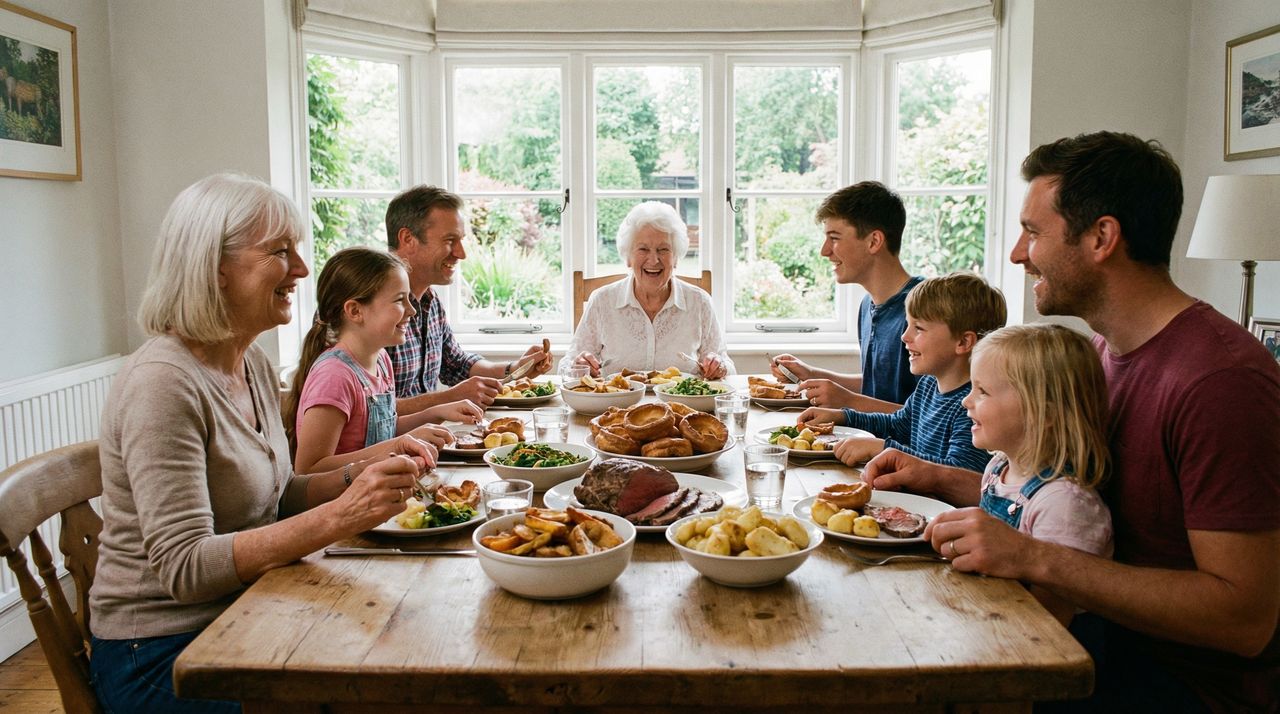
Photo sharing brings your life into your parent’s home. Digital photo frames can display pictures you send from your phone. Your parent sees the grandchildren growing up, the holiday photos, the Sunday roast. It’s a window into your world.
Voice messages work for people who find typing difficult. Your parent can send you a voice message just by talking. You can send one back. It’s more personal than text and doesn’t require reading glasses.
Shared activities become possible with the right setup. Watch the same TV programme while on a video call. Play online Scrabble together. Listen to music. Technology enables presence even at a distance.
For more ideas on using technology to combat isolation, see our guide on technology and elderly loneliness.
Voice assistants as companions
This might sound strange, but many older people find voice assistants genuinely useful. Not as replacements for human contact, but as helpful presences in the home.
“What’s the weather today?” “Set a timer for twenty minutes.” “Play Radio 4.” “Remind me to take my pills at 2pm.” These simple commands make daily life easier.
Some people just enjoy having something to talk to. A cheerful “Good morning” from the living room. An answer to random questions. Company of a sort, even if it’s not human company.
Voice assistants also make emergency contact easier. “Call for help” can reach a response centre or family member without needing to find a phone.
Getting started: next steps
If you’ve read this far, you’re probably thinking about whether smart home care could help your family. Here’s how to move forward.
Assess your parent’s situation
Start by understanding what’s actually needed. What are you worried about? What does your parent struggle with? What would make the biggest difference to their safety and your peace of mind?
Common starting points include:
- Falls risk. If your parent has fallen, or you’re worried about falls, motion-activated lighting and activity monitoring can help.
- Forgetting things. Left the hob on, forgot to lock the door, missed medication. Smart plugs, door sensors, and reminder systems address these.
- Isolation. If your parent is lonely or you want to stay more connected, video calling and photo sharing help.
- General safety. If you just want to know everything is okay, activity monitoring provides that reassurance.
Our needs assessment can help you work through these questions systematically.
Have the conversation
Talking to your parent about this matters. Don’t present it as “we’re going to monitor you.” Present it as “I worry about you and I’d like to find a way to worry less while you keep your independence.”
Listen to their concerns. They might be worried about complexity, about privacy, about feeling like a burden. Address these concerns honestly.
Many parents ultimately want to reduce their children’s worry. Framing the technology as something that helps everyone can make it more acceptable.
Choose the right solution
Not all smart home systems are equal. Some are designed for tech enthusiasts who want to tinker. Others are designed for elderly care, with guided setup and ongoing support.
When evaluating options, consider:
- Who installs and sets up the system? Guided setup support is worth having.
- What happens when something goes wrong? Is there a support line? How quickly do they respond?
- What’s the monthly cost? Some systems have hardware costs plus subscriptions. Understand the total.
- Who owns your data? Check the privacy policy. Your parent’s activity data shouldn’t be sold or used for advertising.
- Can the system grow? Needs change over time. Can you add more sensors or features later?
Our guide on questions to ask telecare providers covers what to look for in detail.
Frequently asked questions
What is telecare and how does it differ from smart home technology?
Telecare is the traditional term for remote monitoring and support services for elderly or vulnerable people. It typically includes pendant alarms, sensors, and connections to response centres. Smart home technology is broader, including automation, voice control, and family-focused features. Modern smart home care for elderly people often combines both: the reliability of telecare with the flexibility of smart home systems. The NHS and local councils sometimes provide telecare equipment; smart home features are usually privately purchased.
How much does smart home elderly care cost in the UK?
Costs vary widely depending on the system and features. Basic setups with a few sensors might cost £200-400 for equipment plus £20-30 monthly for monitoring. More complete systems with guided setup support range from £500-1,500 plus monthly fees of £30-50. Compare this to residential care at £800-1,400 per week, or live-in care at £1,000+ per week. For most families, smart home care costs a fraction of the alternatives while enabling your parent to stay home.
Will my elderly parent accept having technology in their home?
Most older people accept technology when it’s genuinely helpful, not intrusive, and properly explained. The key is involving your parent in decisions rather than imposing solutions. Start with their concerns, not your gadgets. Many parents accept technology specifically because they want to reduce their children’s worry. Systems that work invisibly, without requiring any new skills, have the highest acceptance rates.
Can smart home technology replace carers or family visits?
No. Technology supplements human care; it doesn’t replace it. Motion sensors can tell you your mum got up this morning, but they can’t give her a hug. Alerts can notify you of a problem, but they can’t provide the hands-on help she might need. Think of smart home technology as an extra pair of eyes and ears, not a substitute for human presence. Regular visits, phone calls, and professional care (where needed) are still necessary.
What happens if the internet goes down or there’s a power cut?
Good systems have backup options. Many sensors store data locally and upload when connection returns. Some hubs have battery backup to maintain basic functions during power cuts. Pendant alarms often use mobile networks rather than broadband. When choosing a system, ask specifically about resilience. Your parent shouldn’t be left unprotected because of a technical failure. The most critical safety features should work even when other systems fail.
Is smart home data safe and who can access it?
Reputable providers encrypt data and restrict access to authorised people, typically you and anyone you designate. Look for providers who are clear about data protection and comply with GDPR. You should be able to see exactly who has access to your parent’s data and revoke access if needed. Avoid any provider who is vague about data practices or who might use data for purposes beyond monitoring and support.
When is residential care a better option than staying at home with technology?
Technology helps when someone can manage daily life with some support but doesn’t need constant supervision. When someone needs physical help with eating, washing, or toileting throughout the day and night, technology isn’t enough. When dementia progresses to a point where the person is unsafe alone even with monitoring, residential care may become necessary. The right answer depends on the individual. Smart home technology can extend the time someone can stay home, but it doesn’t eliminate the need for care when that need is truly high.
Take the next step
Every family’s situation is different. The right approach depends on your parent’s specific needs, your concerns, and what your parent is comfortable with.
We offer free consultations to talk through your situation. No pressure, no obligation. Just an honest conversation about what might help.
Contact us to discuss your family’s needs. Or take our quick assessment to understand your options better.
Your parent deserves to stay in the home they love. The right technology can help make that possible.