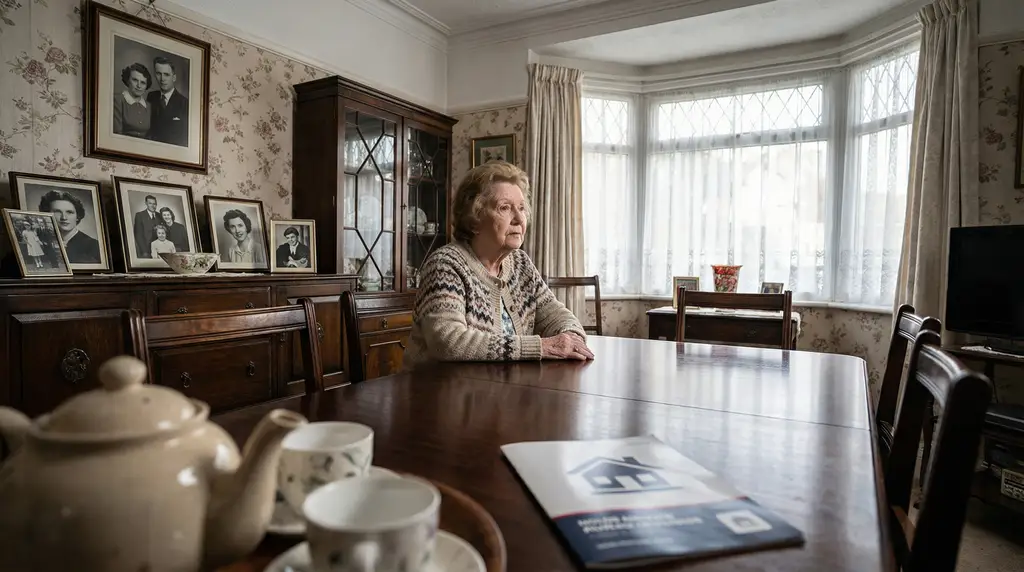
You visit your mum and notice the milk in the fridge expired two weeks ago. Last month, it was unopened post piling up. The time before that, she seemed thinner than usual. Each thing on its own seems small. Together, they form a pattern that’s hard to ignore.
Recognising when an elderly parent needs more support isn’t always obvious. Changes happen gradually. What starts as occasional forgetfulness becomes something more concerning. But knowing what to look for helps you act before a crisis forces your hand.
Key takeaways
- Physical changes like weight loss, mobility problems, and falls often signal a need for support
- Cognitive signs include forgetfulness, confusion about time, and missed appointments
- A neglected home, expired food, and unopened post suggest daily tasks are becoming difficult
- Social withdrawal and mood changes can indicate isolation or depression
- Early intervention provides more options than waiting for a crisis
Physical signs to watch for
Physical changes are often the most visible indicators that your parent needs help. Some happen suddenly after illness. Others creep in over months or years.
Mobility changes
Watch how your parent moves around their home. Do they hold onto furniture when walking? Have they stopped using the upstairs? Do they struggle to get out of chairs?
Reduced mobility affects everything. It makes cooking harder, cleaning impossible, and leaving the house exhausting. If your parent moves differently than they did six months ago, that’s worth noting.
Falls or near-falls
Falls are serious for older people. Even minor falls can cause fractures that lead to hospitalisation and rapid decline. But many falls go unreported because your parent doesn’t want to worry you.
Look for unexplained bruises. Ask directly if they’ve had any trips or stumbles. Notice if they seem nervous about certain activities, like going down stairs or getting into the bath.
The NHS falls prevention guidance explains why falls happen and what can reduce the risk. If your parent has fallen more than once, that’s a clear signal something needs to change.
Changes in weight or appearance
Significant weight loss often indicates a problem. Your parent might be struggling to cook, forgetting to eat, or finding it physically difficult to prepare food.
Look at their general appearance too. Are they wearing clean clothes? Have they stopped shaving or doing their hair? Personal care requires energy and coordination. When someone struggles, these routines often slip first.
Medication management
Multiple medications with different schedules are hard to manage. If your parent takes several prescriptions, check whether they’re taking them correctly.
Signs of problems include:
- Pill bottles that should be empty but aren’t
- Running out of medication early
- Confusion about what each pill is for
- Expired prescriptions not refilled
Medication errors can cause serious health problems. If you’re concerned, speak to their GP or pharmacist about a medication review.
Cognitive signs to watch for
Cognitive changes are harder to spot, especially early on. Your parent might cover up difficulties or you might attribute things to “just getting older.” Some changes are normal. Others suggest more support is needed.
Memory problems beyond the ordinary
Everyone forgets things occasionally. That’s normal at any age. What’s different is the pattern and impact.
Forgetting where they put the keys is normal. Forgetting what keys are for is concerning. Repeating the same story within an hour, asking the same question multiple times in a conversation, or forgetting recent visits from family members suggests something more than ordinary forgetfulness.
Confusion about time or place
Does your parent know what day it is? Can they follow the calendar for appointments? Do they lose track of time, thinking it’s morning when it’s actually evening?
Disorientation about time happens to all of us occasionally. Persistent confusion, especially about where they are or how they got there, needs attention.
Difficulty with familiar tasks
Watch whether your parent can still do things they’ve done for years. Can they make a cup of tea? Use the microwave? Operate the TV remote? Pay bills?
Struggling with familiar tasks often indicates cognitive change. The task hasn’t changed. Their ability to complete it has.
Poor judgement or decisions
This might show up as unusual purchases, falling for obvious scams, or making decisions that seem out of character. Financial vulnerability is a particular concern for older people living alone.
Check whether they’ve made any unexpected large purchases. Are they getting unusual phone calls? Have they mentioned giving money to anyone?
Household signs to watch for
A walk through your parent’s home can reveal a lot. Look beyond the living room they’ve tidied before your visit.
Neglected housekeeping
Some mess is normal. A home that’s become noticeably dirtier than it used to be suggests your parent can’t keep up with cleaning. Look at bathrooms, kitchens, and areas they might not think you’ll check.
Specific things to notice:
- Dishes piling up unwashed
- Bins overflowing
- Laundry accumulating
- Dust on surfaces that used to be kept clean
- Unpleasant smells
Food and kitchen problems
The fridge tells a story. Expired food, empty shelves, or the same ready meals week after week indicate problems with shopping, cooking, or both.
Check cupboards too. Are there multiples of the same item (suggesting forgotten purchases)? Is food past its date? Are there signs of burnt pans or forgotten cooking?
Unopened post and unpaid bills
A pile of unopened letters often means your parent can’t face dealing with them. Check if bills are being paid. Look for final notices or red letters.
Financial tasks require organisation and memory. When these slip, it’s often a sign that daily management is becoming overwhelming.
Home maintenance issues
Is the garden overgrown? Are lightbulbs unchanged? Are small repairs going unfixed? Maintaining a home requires ongoing effort. When someone can’t manage that effort, problems accumulate.
Also check safety basics. Do smoke alarms work? Is the heating functioning? Are there trip hazards like loose rugs or cables across walkways?
Social and emotional signs
Isolation and emotional changes can be both cause and effect of declining capability. They’re easy to miss, especially if you don’t see your parent often.
Withdrawal from activities
Has your parent stopped doing things they used to enjoy? Given up hobbies? Stopped seeing friends? Lost interest in activities that once mattered to them?
Withdrawal often happens gradually. They might make excuses about why they can’t attend things. The real reason might be that getting there has become too difficult or tiring.
Mood changes
Watch for signs of depression or anxiety. These are common in older people but often go unrecognised and untreated.
Signs include:
- Persistent sadness or tearfulness
- Loss of interest in things
- Sleeping much more or much less than usual
- Talking about being a burden
- Unusual irritability or agitation
Age UK’s information on loneliness explains the health impact of isolation and what can help. Their guide for people worried about someone offers practical advice on next steps.
Relationship changes
Has your parent become suspicious of people? Are they making accusations that seem unfounded? Have they fallen out with neighbours or friends for unclear reasons?
Personality changes can indicate cognitive decline. They can also reflect the stress and frustration of capabilities slipping away.
What to do if you notice these signs
Recognising the signs is the first step. Knowing what to do next is harder.
Start the conversation
This is often the hardest part. Many parents resist the idea that they need help. They may deny problems, minimise concerns, or become defensive.
Some approaches that help:
- Focus on specific observations, not general labels (“I noticed the post piling up” rather than “you’re not coping”)
- Express your concerns from a place of love, not criticism
- Listen to their perspective and fears
- Give them control over decisions where possible
- Be patient. These conversations often need to happen more than once.
The NHS guide to social care provides a good starting point for understanding what support is available.
Get a professional assessment
Your parent’s GP is a good first contact. They can assess for underlying health conditions, review medications, and refer to other services if needed.
The local council can arrange a care needs assessment. This is free and helps identify what support your parent might need and qualify for. Independent Age has helpful information about arranging care.
Consider the options
Support comes in many forms:
Help at home: Regular visits from carers to help with specific tasks like washing, dressing, or meal preparation.
Adaptations: Changes to the home that make daily life easier and safer, like grab rails, stairlifts, or walk-in showers.
Technology: Smart home systems that monitor activity patterns and alert you to changes. These can provide peace of mind without requiring constant visits. Our guide to smart home elderly care explains how this works.
Day centres: Places your parent can go regularly for social contact and activities, giving them something to look forward to and you a break from worrying.
Live-in care: Someone living in your parent’s home to provide round-the-clock support while allowing them to stay in familiar surroundings.
Care homes: When home-based support is no longer enough, residential care provides 24-hour professional support.
Most families use a combination of options, adjusting as needs change. For more on this, see our complete guide to smart home care for elderly parents and our guide to keeping elderly parents safe at home.
Don’t wait for a crisis
The earlier you act, the more options you have. Waiting until a fall or hospital admission forces the issue usually means making rushed decisions under pressure.
Starting conversations now, even if your parent doesn’t need much help yet, makes future changes easier. Building routines gradually is less disruptive than sudden major changes.
When it’s more than you can manage
Sometimes the signs indicate needs beyond what family can reasonably provide. That’s not a failure. It’s acknowledging that professional care exists for good reasons.
Signs that professional help is essential include:
- Significant dementia affecting safety
- Medical needs requiring trained care
- Risk to your parent or others
- Your own health suffering from the caring role
- Your parent needing more hours of care than family can provide
Making the decision to involve professional care is hard. But ensuring your parent gets the support they need is the best thing you can do for them.
Taking the next step
If you’ve recognised some of these signs in your parent, you’re not alone. Millions of families face these same concerns.
Understanding your options is the first step toward peace of mind. Our free needs assessment helps you think through your situation and understand what might help.
Or if you’d like to talk through your concerns, contact us. We’ll listen to your situation and explain what options might work for your family. No pressure, no obligation.